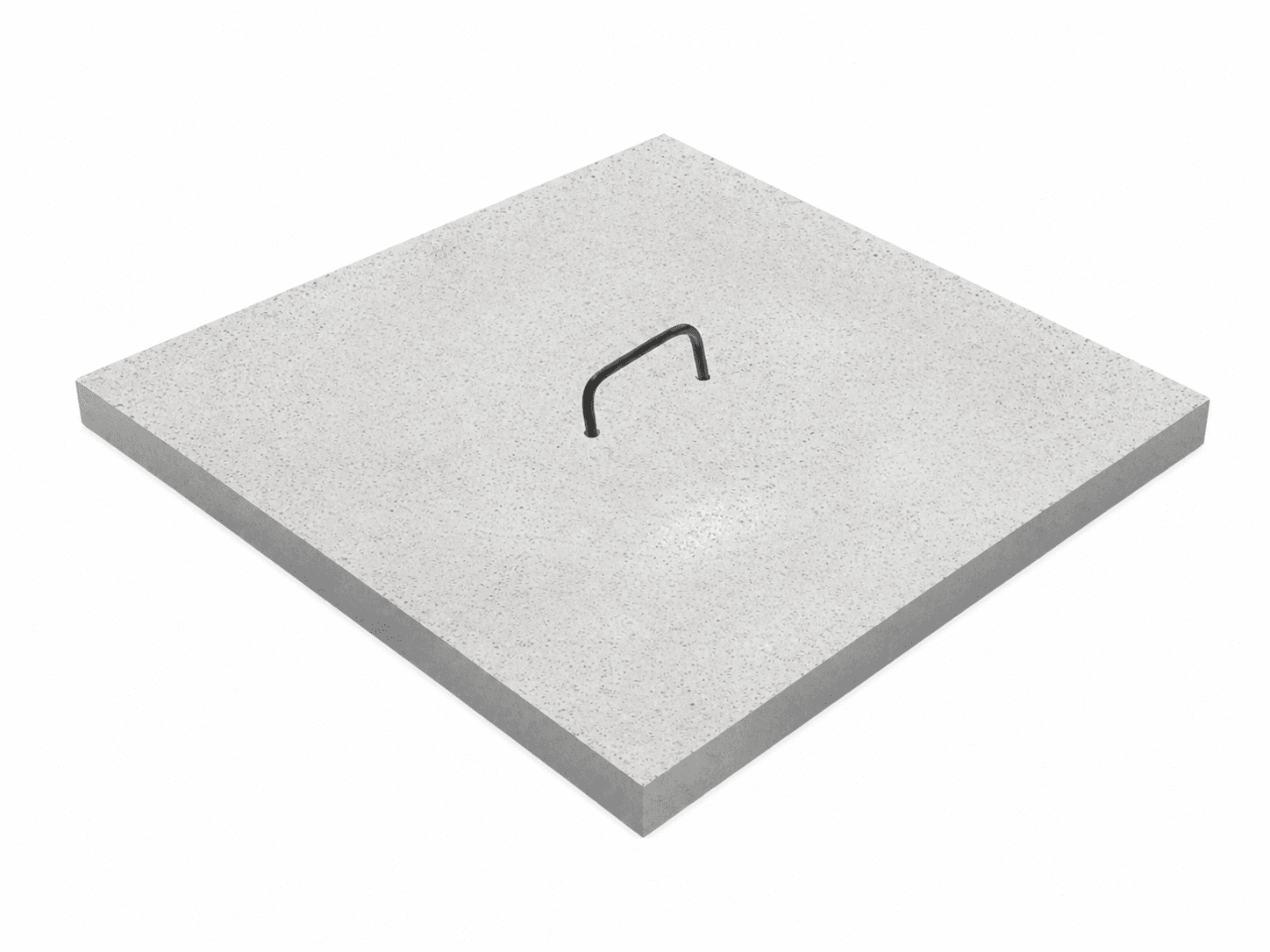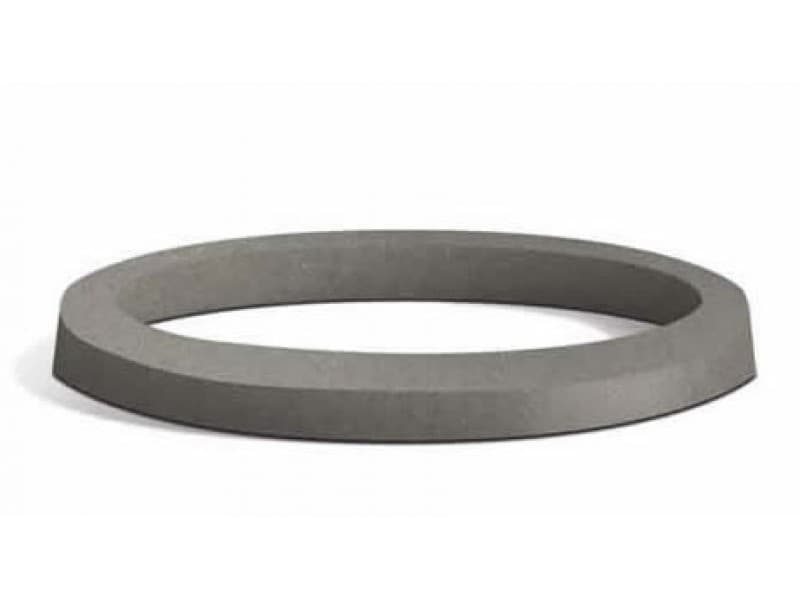
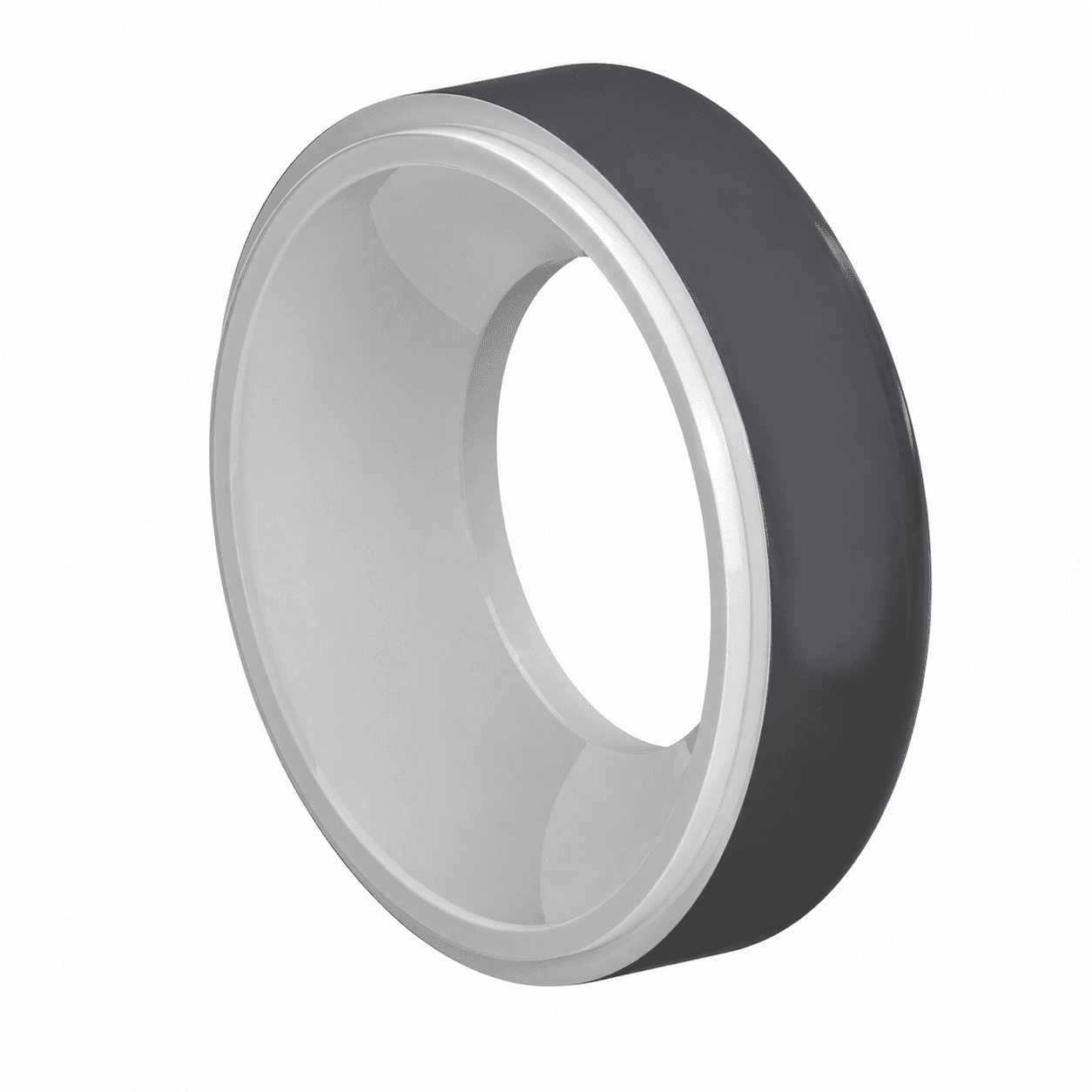
What Is an 800 mm Parcel Inspection Chamber Cone (30 cm)?
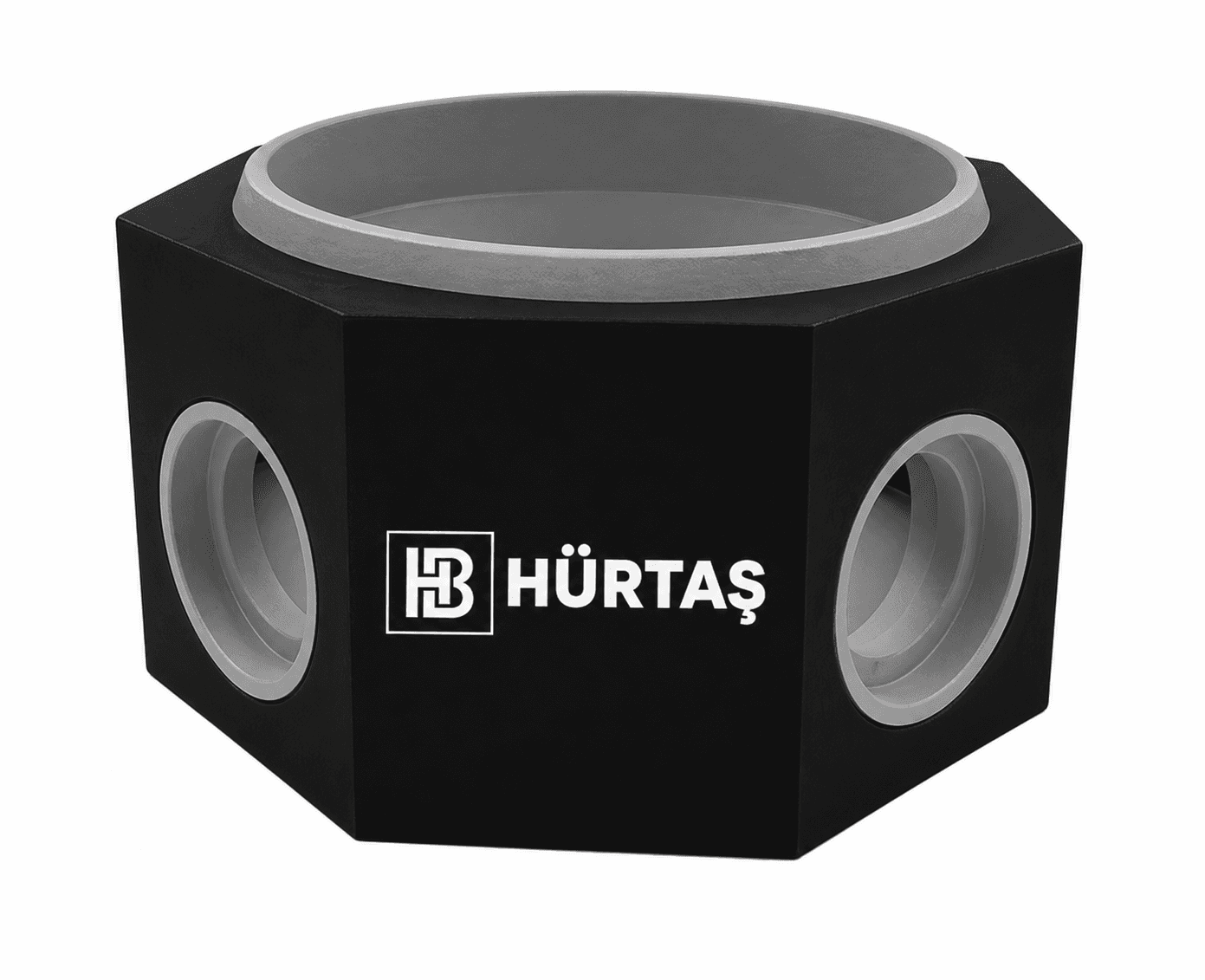
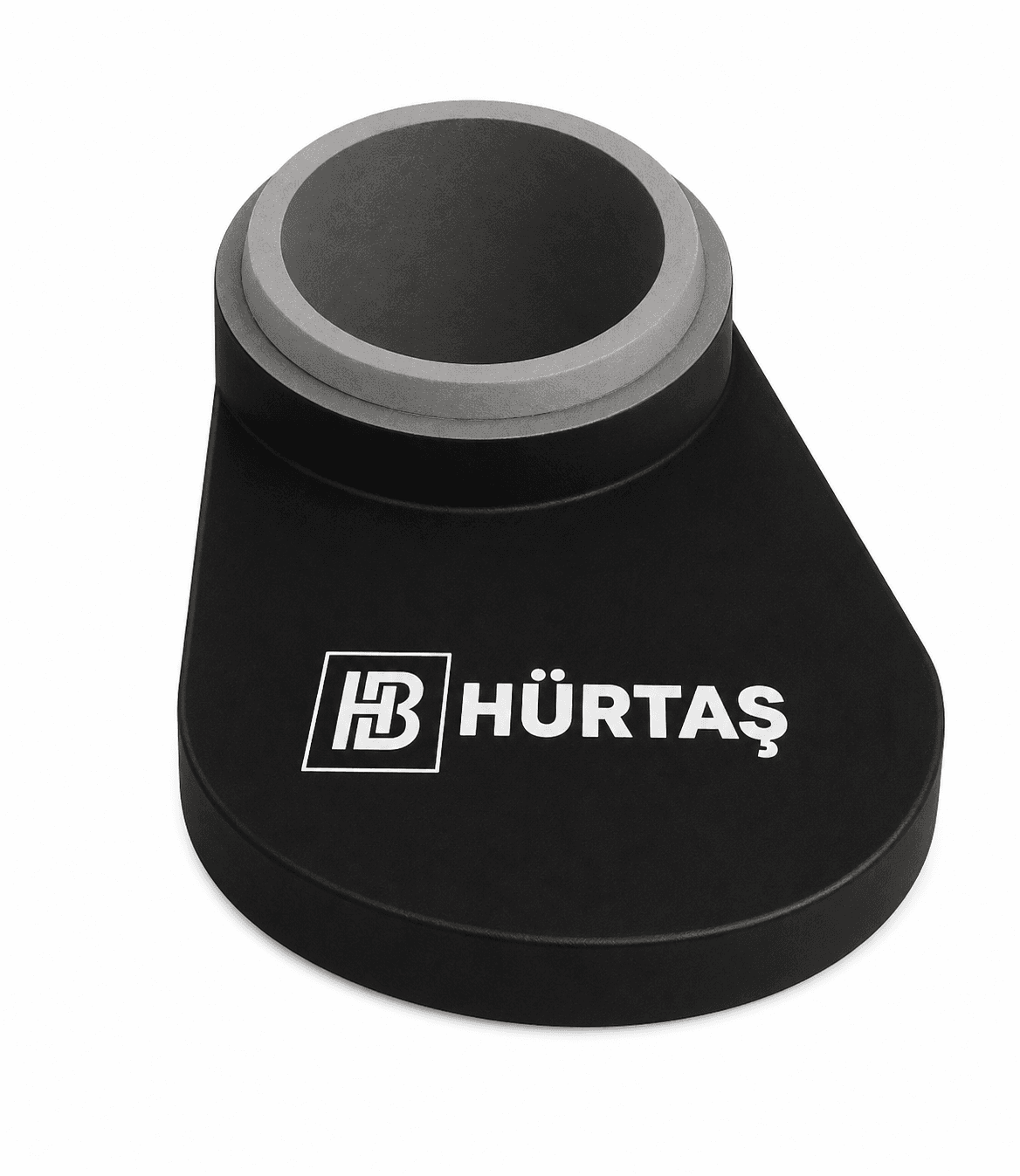
An 800 mm Parcel Inspection Chamber Cone (30 cm) is a concrete infrastructure component used to provide a transition between the chamber body and the cover section in parcel inspection chambers and manhole systems. Thanks to its conical shape, it narrows the upper part of the chamber and creates a suitable transition to the cover level.
It can be used in parcel connections, building perimeter infrastructure, sewerage, wastewater, stormwater, and drainage networks. With its 800 mm diameter and 30 cm height, it offers a compact, durable, and practical solution for parcel chamber systems.
What Is an 800 mm Parcel Inspection Chamber Cone (30 cm)?
The 800 mm Parcel Inspection Chamber Cone (30 cm) is a concrete conical top element installed on top of an 800 mm parcel chamber or manhole system. It creates a connection between the chamber body and the cover or cover frame.
This product may also be referred to as a parcel chamber cone, concrete chamber cone, manhole cone, parcel manhole cone, chamber reducing element, or chamber cover transition piece. It provides an organized upper structure for inspection, maintenance, and cover installation in parcel chambers.
Product Names According to Application
The 800 mm Parcel Inspection Chamber Cone (30 cm) may be known by different names depending on its application area. Therefore, it can be preferred not only as a parcel chamber cone but also as a manhole cone, concrete chamber cone, or chamber reducing element.
Parcel chamber cone: Used to form the upper section of parcel inspection chambers in building, site, and parcel connection applications.
Concrete chamber cone: A durable conical chamber element used in sewerage, wastewater, stormwater, and drainage systems.
Manhole cone: A conical concrete component providing a transition between the manhole body and the cover.
Parcel manhole cone: Used to create a transition to the cover level in parcel connection manholes.
800 mm chamber cone: A conical top section compatible with 800 mm parcel chambers, inspection chambers, and manhole systems.
800 mm manhole cone: Installed on top of an 800 mm manhole body to provide a transition to the cover and frame level.
30 cm chamber cone: A compact upper transition element for parcel chamber systems with a height of 30 cm.
Chamber reducing element: Preferred where a transition from a wider chamber body to a narrower cover opening is required.
Chamber top transition piece: A concrete upper structure element connecting the chamber body to the cover section.
Chamber cover transition element: Ensures the chamber system is completed appropriately at the cover and cover frame level.
Conical chamber element: Creates a stable, durable, and secure upper structure thanks to its conical form.
Infrastructure chamber cone: A concrete chamber cone used in municipal, residential, road, and construction infrastructure projects.
Sewer chamber cone: Used as an upper transition element in sewer parcel connections and inspection chambers.
Wastewater chamber cone: Installed at the upper section of parcel and inspection chambers in wastewater networks.
Stormwater chamber cone: Can be used in the cover connection of manhole and parcel chamber systems in stormwater drainage networks.
Drainage chamber cone: Functions as a conical upper element in chamber systems that provide inspection and intervention points in drainage lines.
Applications
The 800 mm Parcel Inspection Chamber Cone (30 cm) is used in parcel connections, building perimeter infrastructure, sewerage, wastewater, stormwater, and drainage systems.
Main Application Areas
Parcel chamber systems
Parcel connection lines
Building perimeter infrastructure
Sewer networks
Wastewater networks
Stormwater drainage systems
Manhole systems
Inspection chamber systems
Residential and housing complex infrastructure
Apartment building infrastructure
Municipal infrastructure projects
Road and pavement infrastructure
Construction site infrastructure works
Transitions between chamber body and cover
Features
Compatible with 800 mm parcel chamber systems.
Concrete conical chamber element with a height of 30 cm.
Provides a transition between the chamber body and cover section.
Suitable for sewerage, wastewater, stormwater, and drainage networks.
Durable and long-lasting thanks to its concrete structure.
Designed for underground infrastructure conditions.
Can be used in parcel chambers, manholes, and inspection chamber systems.
Facilitates a smooth transition to the cover level.
Advantages
The 800 mm Parcel Inspection Chamber Cone (30 cm) provides a durable and organized transition between the chamber body and cover in parcel chamber systems. Its conical design completes the upper section of the chamber and creates a suitable structure for cover installation.
Its concrete construction ensures long service life in sewerage, wastewater, stormwater, and drainage infrastructure systems. As a parcel manhole cone, concrete chamber cone, or chamber cover transition element, it offers a practical solution for residential, commercial, and municipal infrastructure projects.
Suitable For
Installing an 800 mm parcel chamber system
Completing the upper section of a parcel chamber
Creating a transition from the chamber body to the cover level
Using a conical top element in manhole systems
Constructing sewer parcel connections
Building wastewater parcel chambers
Providing cover transitions in stormwater chambers
Creating inspection chambers in drainage lines
Using a concrete chamber cone
Meeting chamber reduction requirements
Installing infrastructure chambers around buildings, residential sites, and apartment complexes
Things to Consider When Choosing
When selecting an 800 mm Parcel Inspection Chamber Cone (30 cm), factors such as chamber diameter, body dimensions, cover opening, required height, and project elevation should be considered.
The 800 mm size must be compatible with the existing parcel chamber or manhole body. The suitability of the 30 cm height for reaching the required cover level should be checked. The intended application—whether sewerage, wastewater, stormwater, or drainage—should be determined, and compatibility with the chamber body, raising rings, cover, and cover frame should be evaluated.